
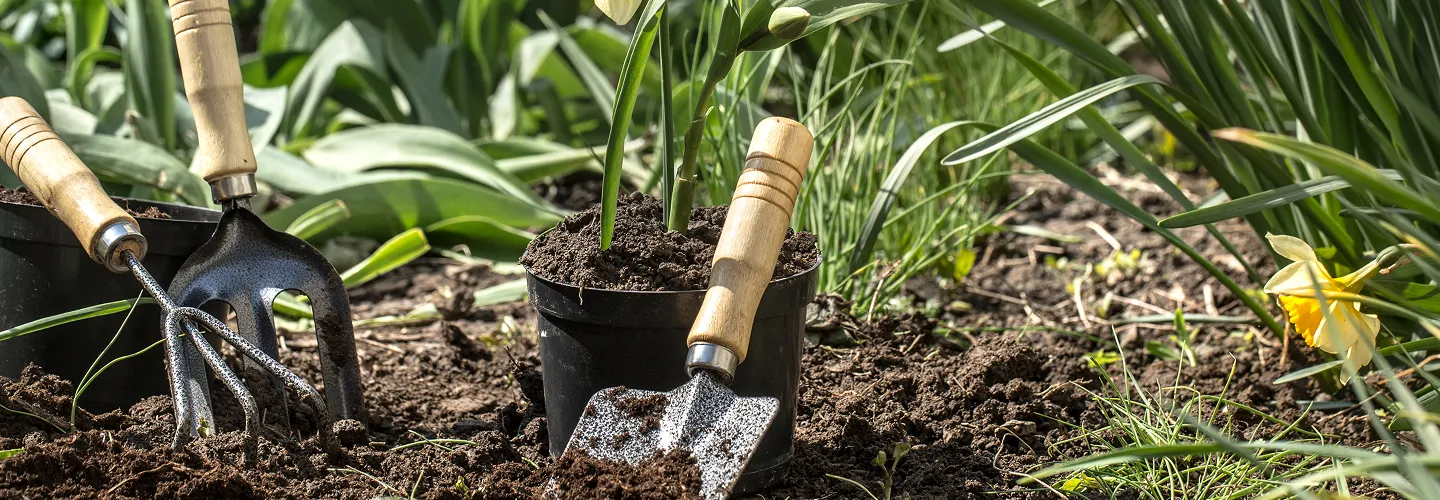
Cypress Lake Plant Removal Services
Choose our plant removal services for safe, thorough, and environmentally responsible solutions that restore your landscape’s beauty and health—handled by experienced professionals who care about your property.
Get a Free QuoteOur Cypress Lake Landscaping & Yard Care Services
When to Schedule Plant Removal in Cypress Lake, Florida – Seasonal Guide
In Cypress Lake, Florida, the best time for plant removal is typically during the late winter to early spring months, just before the region’s growing season begins in earnest. This timing allows for easier removal due to softer, moist soil conditions following winter rains, and it minimizes disruption to the surrounding landscape. The area’s subtropical climate, with its high humidity and frequent summer storms, means that waiting until late spring or summer can make removal more challenging and potentially hazardous due to slippery terrain and increased mosquito activity.
Local neighborhoods such as Myerlee and Whiskey Creek often experience unique microclimates, with shaded lots and varying soil types that can impact the ease and timing of plant removal. Homeowners near Cypress Lake High School or along Gladiolus Drive should also consider municipal guidelines and potential restrictions. For more information on local regulations, visit the official town website.
Local Factors to Consider for Plant Removal in Cypress Lake
- Tree and shrub density on your property
- Soil type (sandy, loamy, or clay-heavy)
- Proximity to water features or wetlands
- Recent precipitation and current soil moisture
- Shade coverage from mature trees
- Local frost dates and drought risk
- Municipal restrictions or permit requirements
- Accessibility of removal equipment due to terrain
Benefits of Plant Removal in Cypress Lake

Enhanced Curb Appeal
Improved Plant Health
Reduced Pest Infestation
Increased Usable Space
Prevention of Property Damage
Professional and Efficient Service
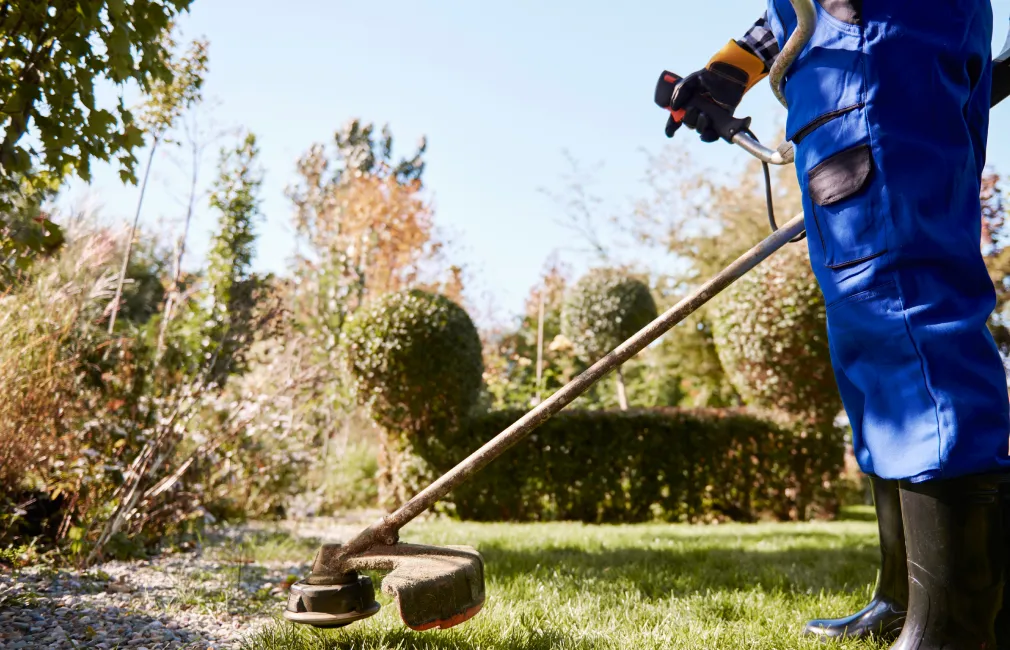
Cypress Lake Plant Removal Types

Tree Removal
-
Shrub Removal
-
Stump Grinding
-
Invasive Species Removal
-
Root System Extraction
-
Overgrown Vegetation Clearing
-
Landscape Bed Cleanouts
Our Plant Removal Process
Site Evaluation
Preparation and Safety Measures
Plant Uprooting
Debris Removal
Site Restoration
Why Choose Cypress Lake Landscape Services
-
Cypress Lake Homeowners Trust Us
-
Expert Lawn Maintenance
-
Reliable Scheduling
-
Competitive Pricing
-
Professional Team
-
Satisfaction Guarantee
-
Personalized Service
Coordinating Plant Removal Disposal and Debris Routing in Cypress Lake, FL
Cypress Lake is an unincorporated community in Lee County, which means all municipal-level services—including vegetative debris collection, code enforcement, and land-use oversight—fall under Lee County government departments. When plant removal generates root balls, shrub masses, or other organic debris, residents and property managers must follow Lee County's vegetative waste handling procedures. Bulk vegetative material typically requires separation from household refuse and must not be placed in drainage swales, canal banks, or stormwater inlets. Property owners should verify current curbside collection schedules and bundling or containerization requirements directly with Lee County before placing material at the curb.
- Separate plant debris from construction waste, soil, and household garbage before disposal
- Keep removed vegetation away from canal edges, retention pond banks, and curb inlets
- Confirm bulk pickup eligibility and any size or weight limits with Lee County services
- Commercial-scale plant removal projects may require private hauling to an approved transfer or disposal facility
Lee County Department of Community Development
1500 Monroe Street, Fort Myers, FL 33901
Official Website: Lee County Department of Community Development
How Cypress Lake's Subtropical Climate and Soils Influence Plant Removal
Cypress Lake sits within USDA Hardiness Zone 10a, in the Gulf Coast subtropical corridor of southwest Florida. The area receives roughly 55 inches of annual rainfall, concentrated heavily between June and October. These conditions drive rapid regrowth of removed vegetation and complicate site stabilization after extraction. Soils across much of Cypress Lake are predominantly sandy with limited organic content and poor nutrient retention, which means root systems often spread laterally rather than deeply. The high water table—frequently within two to three feet of the surface during wet season—can cause excavation sites to flood quickly, requiring prompt backfill and grading.
- Sandy, fast-draining soils allow lateral root spread that may extend well beyond the visible canopy or shrub footprint
- High water tables during the wet season can destabilize excavation areas and promote erosion if left open
- Subtropical humidity accelerates fungal colonization on cut surfaces and exposed root zones
- Invasive species such as Brazilian pepper and air potato vine reestablish aggressively if root fragments or tubers remain in the soil
- Salt-influenced groundwater near tidal canals may affect replanting decisions after removal
Data from the USDA Plant Hardiness Zone Map and the USDA Web Soil Survey can help property owners understand site-specific growing conditions before and after plant removal.
Navigating Lee County's Regulatory Framework for Plant Removal in Cypress Lake
Because Cypress Lake falls under Lee County jurisdiction, plant removal activities must comply with county land development codes rather than a separate municipal ordinance. Lee County's tree requirements outline environmental standards that may apply when removal involves protected or specimen-sized trees on developed lots. Property owners should verify whether the vegetation targeted for removal triggers any county review, particularly on parcels adjacent to wetlands, preserves, or designated environmental overlay areas.
- Removal of vegetation within county rights-of-way or drainage easements typically requires coordination with Lee County rather than independent action
- Any herbicide application during or after plant removal must be performed by an applicator holding a valid license through the Florida Department of Agriculture and Consumer Services
- Stormwater compliance under the Florida DEP NPDES Stormwater Program applies when removal work exposes bare soil near canals, retention ponds, or storm-drain infrastructure
- Disposal of removed plant material into waterways, wetlands, or stormwater conveyances violates provisions aligned with the Clean Water Act
Lee County Zoning
1500 Monroe Street, Fort Myers, FL 33901
Official Website: Lee County Zoning
Timing and Methods for Professional Plant Removal in Cypress Lake's Climate
Scheduling plant removal in Cypress Lake requires attention to seasonal rainfall intensity, heat stress on crews and equipment, and the biological growth cycles of target vegetation. The dry season—generally November through May—offers the most stable ground conditions, reduced mosquito pressure, and lower risk of exposed-soil erosion. However, removing invasive species before they flower or fruit in late spring can prevent seed dispersal across adjacent properties and waterways.
- Extract root systems as completely as possible; partial removal of species like Brazilian pepper or earleaf acacia often results in vigorous resprouting
- Backfill excavation voids promptly with clean fill material and stabilize with sod, seed, or mulch to prevent washout during afternoon thunderstorms
- Avoid stockpiling removed plant material near swales, canal banks, or retention-area slopes where decomposition runoff could impair water quality
- When chemical treatment of stumps or root zones is necessary, apply products during dry conditions to minimize leaching into the shallow water table
- Schedule heavy equipment access during dry-season windows to reduce compaction damage to sandy soils and adjacent turf areas
Lee County Parks and Recreation
Official Website: Lee County Parks and Recreation
What Neighborhoods Do We Serve Throughout Cypress Lake, FL?
- Parker Lakes — Properties here frequently border retention ponds and interconnected lake systems, requiring careful debris routing and bank stabilization after plant removal near shoreline buffers.
- Cross Creek — Mature landscaping on established lots often includes overgrown ornamental shrubs and hedgerows that demand root-zone excavation without disturbing adjacent irrigation lines.
- Cypress Lake Country Club Estates — Larger residential parcels with canal-adjacent rear yards present drainage sensitivity and may require coordination with Lee County before removing vegetation from easement areas.
- Brandywine — Compact lot layouts and shared drainage swales mean plant removal debris must be managed carefully to avoid obstructing neighborhood stormwater flow.
- Reflection Lakes — Newer subdivision fill soils and HOA-maintained common areas create specific requirements for post-removal grading and replanting to maintain community appearance standards.
- The Vines — Properties adjacent to preserved wetland buffers may face additional environmental review when removing vegetation near designated conservation boundaries.